
Digital Hospitality Redefined: The Battle Between Official Design and Player Ingenuity
May-15-2026
The recent update in a beloved life simulation game has stirred a range of emotions, especially for players who once prided themselves on their creative take on in-game hospitality. As new features are rolled out, longstanding traditions within the digital community collide with modern, developer-driven structures. A prominent feature in this update is the appearance of an official hotel that now occupies a fixed location on every island. This change challenges the ingenuity of players who spent hours carving out visually stunning, player-made accommodations. The contrast between hand-crafted designs and official constructions has opened up a lively discussion about personal creativity versus standardized gameplay elements, setting the stage "to further investigate the constantly evolving dynamics of" digital spaces.
Game Dynamics in Evolving Environments
The shift brought on by the recent update has profoundly reshaped how players engage with the in-game world. Prior to this change, players derived satisfaction from constructing elaborate hotel facades that blended seamlessly with their island designs. With the introduction of a pre-designed hotel on each island’s pier, the game’s mechanics have pivoted, emphasizing uniformity and official structure over sheer creative freedom. The new feature impacts how players plan and organize their virtual communities. There is an undeniable tension between the desire for personalized construction and the game developer’s vision for a cohesive experience. This tension not only influences gameplay but also resonates on a cultural level, where tradition contends with innovation in a space that is both familiar and ever-changing.
Cultural Shifts in Digital Hospitality
The introduction of an official hotel has spurred a deeper cultural conversation among enthusiasts who once celebrated the ingenuity behind handcrafted resorts. Historically, digital hospitality within the game was marked by an array of imaginative designs that recast ordinary spaces into themed attractions. Now, with the standardized hotel imposing a uniform aesthetic, there is a palpable sense of loss among those who cherished the art form. The cultural legacy of hand-built hotels, from sun-soaked coastal retreats to ornate urban escapades, is now juxtaposed against an institutional structure. This development mirrors broader debates about creative expression in virtual spaces and raises questions about how digital worlds can honor community-driven creativity while still evolving to embrace new features that may inadvertently marginalize longstanding traditions.
Structured Features vs. Creative Freedom
At its core, the update underscores a fundamental dichotomy: the balance between official, developer-made content and the free-form creativity that defines much of the game’s charm. In earlier versions, the absence of designated structures encouraged players to use ingeniously improvised materials and techniques to simulate a wide range of experiences. By providing an out-of-the-box solution for hotels, the game has nudged players toward a more guided gameplay experience, effectively narrowing the spectrum of creative expression. Nonetheless, many players have adapted by integrating the official feature into their broader design strategies, working around the limitations to craft unique environments. This evolution is emblematic of the wider digital trend where community innovation continually finds new ways to express individuality, even within the constraints imposed by standardized updates.
Innovative Adjustments and Community Reactions
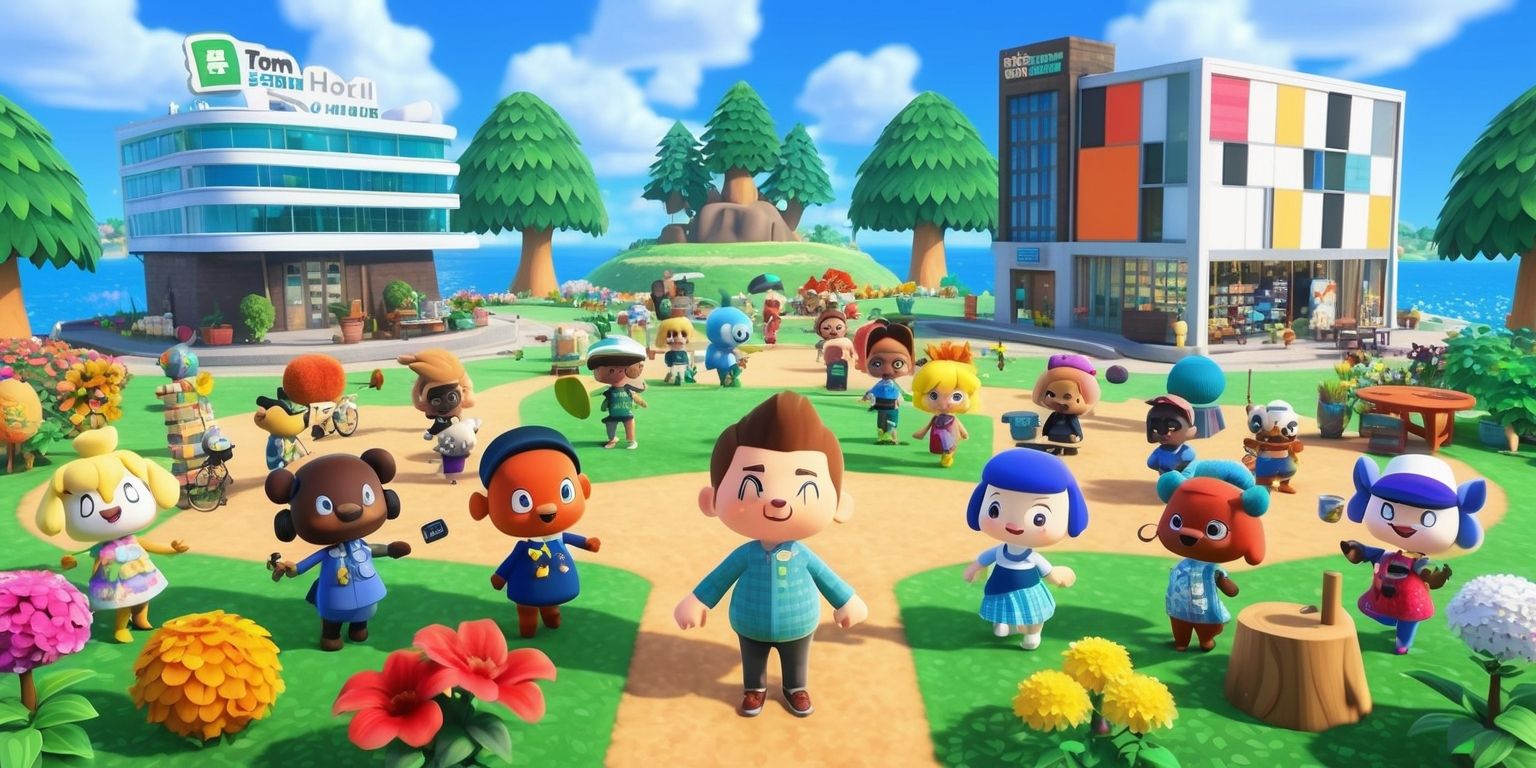
The community’s response to the new island-hugging hotel has been colorful and multifaceted. Some players expressed disappointment over the reduction of opportunities to design personalized hotel facades, while others embraced the change by transforming the surrounding areas. Through creative landscaping, themed decorations, and personalized accents, many have managed to infuse the standardized structure with a touch of their own style. Social media platforms and Online discussion boards are overflowing with conversations about how to… best incorporate the fixed hotel into a broader aesthetic narrative, signaling that the artistic impulse remains undiminished. This dynamic interplay between in-game regulation and player ingenuity highlights the adaptability of the community, which continues to evolve and transform our understanding of inner creativity the digital landscape.
Detailed Gameplay Alterations and Their Impact
The gameplay impact of this update extends well beyond the visual realm, affecting the underlying mechanics of community development and in-game commerce. For many players, the hotel had been more than a decorative feature—it was part of an intricate ecosystem of social interaction and creativity. The introduction of an official hotel has sparked a rebalancing of priorities where players must now adapt Here's one way to rephrase it: "confronting an entirely fresh array of challenges. Bolstered by the" official structure occupying a central island location, players must reconsider strategies for revenue generation and guest management within their virtual spaces. This shift has forced a reexamination of traditional gameplay roles, encouraging gamers to innovate within a framework that melds established traditions with the evolving infrastructure of the game. The resultant landscape is one of adaptation and constant reinvention.
Artistic Expression within Defined Limitations
The aesthetic transformation brought on by the update has led to a renewed focus on artistic expression within clearly defined limits. The official hotel’s rigid placement on the island’s pier has become a catalyst for a new genre of design challenges. Players are now experimenting with ways to soften the impact of the standardized structure through intricate modification of their surrounding environments. By layering custom-designed elements such as decorative fences, thematic motifs, and creatively arranged furniture, players are infusing their islands with a sense of identity that runs parallel to the official design. This creative workaround demonstrates that even when faced with strict boundaries, the creative spirit is resilient, pushing the community to continuously reinvent and transcend the limitations that modern updates might impose on their previously autonomous artistic practices.
Tactical Customization and Unique Island Identities
Each island in this simulation game has long been a canvas for players to project their individual style, and the recent changes have only amplified that drive for uniqueness. With the official hotel now occupying a predetermined space, many are exploring ways to transform the pier and its environs into an extension of their island’s personality. Through tactical customization—ranging from whimsical landscaping to the strategic placement of artisan-crafted decor—players are creating spaces that speak to regional or personal themes. These efforts illustrate a broader trend in the community: the emergence of collective aesthetics that are defined not by uniform implementation but by the creative interpretations layered on top of standardized game elements. This evolving dialogue between creativity and structure continues to inspire inventive solutions that preserve the island’s singular identity amidst change.
Player Ingenuity in Overcoming Boundaries
The shift to a developer-prescribed hotel structure has not stifled creativity; rather, it has spurred a renaissance of player ingenuity. Longtime players, known for their resourcefulness, have quickly adapted by reimagining not just the immediate vicinity around the official hotel, but the entire island layout. By reconfiguring aspects of aesthetic design and gameplay mechanics, these players have effectively turned constraints into a new creative challenge. They manipulate the environment with an eye for detail, applying custom-made designs that blend with the official element rather than compete against it. This trend highlights the adaptive strategies "of a community that adamantly rejects being pigeonholed" in by new rules, instead using them as a springboard for endless innovation and a renewed sense of collaborative design that continues to flourish in a perpetually changing digital landscape.
Visual and Structural Aesthetics of New Designs
One cannot help but notice the evolving visual landscape of the game, where the structured design of the official hotel meets the personalized touch of community-crafted additions. The new hotel, with its clean lines and fixed location, is clearly meant to be a central landmark for every island. Yet, its presence has not discouraged players; Instead, it provides a contextual framework against which they project their distinctive style. Customization efforts abound, with many transforming ordinary piers into elaborate displays of themed architecture. Whether players choose to evoke "the allure of a coastal escape or the" opulence of a modern resort, the resulting mosaic of island designs is a testament to the resilience of creative expression. In this interplay between official design and personalized artistry, the game continues to celebrate the diversity and innovation that define its community.
The Tension of Official Updates and User Creativity
The tension between developer-imposed updates and the inherent creativity of the community has long been a hallmark of this simulation game. With the new hotel update, this tension is both palpable and instructive. On one hand, Nintendo’s decision to offer a standardized structure simplifies certain aspects of gameplay, providing a reliable visual and functional reference point. On the other hand, it represents a shift away from the open-ended creativity that once allowed players to build bespoke experiences from scratch. However, rather than succumbing to frustration, players are demonstrating a remarkable capacity to innovate. The interplay between the official hotel and player-enhanced surroundings is evolving into a creative dialogue, one in which the limitations imposed by the update are met with an abundance of imaginative solutions that reflect the ongoing commitment of the community to maintaining a vibrant, personalized gaming environment.